Aliveness at the Edge
Recognition
I saw myself in The Life We Have. Not in diagnosis, but in the slightly longer blink, the breath held a fraction too long before speaking. In the careful adjustment before standing and the quiet persistence to keep moving.
I live in that micro-language, most people don't. They'll feel it, Rob Shaver doesn't hide it, and it's one of the most honest things I've seen on screen.
The Life We Have follows Rob through two decades of stage four cancer recurrences and a three-year daily running streak. Most films about illness focus on survival, this is about presence — choosing aliveness in a body that’s breaking.
For me, this film was an avalanche, excavation, and release of clarity.
On the Trail
Sometimes I'm hauling a 35-lb pack over rough terrain, smoking trail runners half my age up steep inclines. Not trying, not noticing they were chasing me, until I stop at the top.
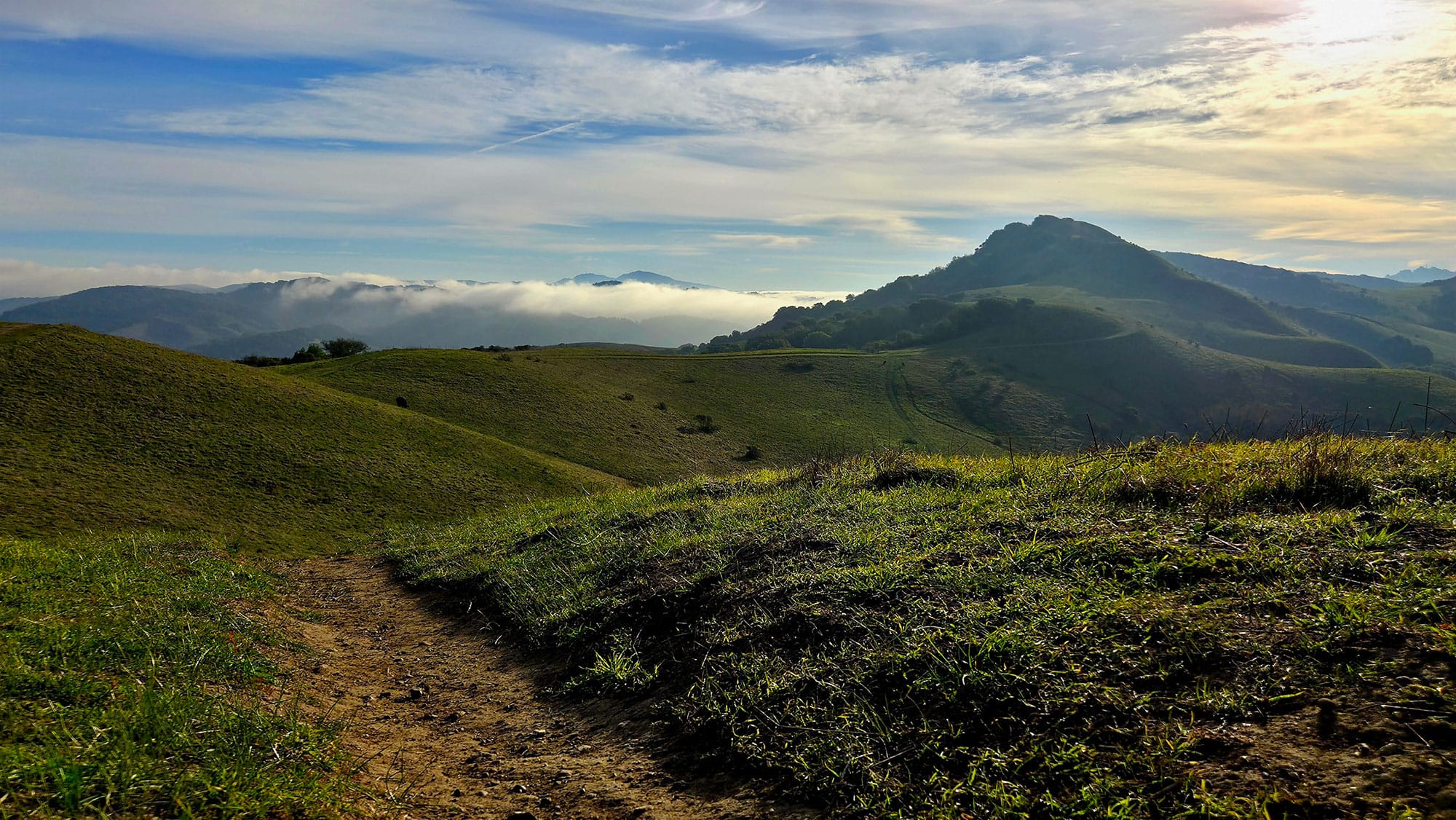
Other times it's a slow labored walk with a camera. Sometimes it's barely getting out the door. Sometimes pressing upload when my nervous system would rather just shut down.
Every step is a negotiation. Every breath a reminder of the body I carry. I push past where it should feel like enough. Past a decade of pain in perpetuity. Past fatigue that never lifts.
And past the quiet fear of what the next biopsy, scan, or lab will find.
The cost is never abstract.
Poly-Autoimmunity and the Edge
In 2019, threat of cancer entered the room. I was already negotiating a fragile body: poly-autoimmunity, neurological pressure, cardiac strain, autonomic instability, and endocrine chaos. A system always recalibrating and compensating.
Cancer doesn't replace what's there, it overshadows it.
Endoscopic surveillance every six months. The edge is calendared and procedural. Mortality on a schedule.
Last two years, I've found myself in a familiar pattern: sitting in the car, engine off, hands on the wheel, not moving. Trailhead ten feet away. Measuring the cost before I agree to pay it.
The previous eight years were waking up hoping not to wake. Not ideation. Just exhaustion and pain so profound that nothingness felt like mercy. My life was sidetracked before it could begin.
The moment, the pause, that's the real endurance sport. Not the miles or totals. The decision to step out knowing exactly what it takes.
In 2020, I could barely manage a flight of stairs or get up from a chair.
I was worn down, barely keeping up, even considering permanent disability. I had nothing left. So I started with the minimum: three things — sleep, food, gentle movement. No epic transformation, just a slow, steady crawl back to walking again.
2021 - 2023, I walked 300, 500 and 1200 miles a year around my neighborhood.
2024, I returned to hiking — 2,400 miles, despite two months lost to flare. It held.
2025, 1,800 miles — just over four months of flare. Then it didn’t hold.
2026 started with a month-and-half-long flare. Now barely walking, let alone hiking.
Every mile sits on top of the memory of incapacity. That's the part people don't see.
Movement isn't progress. It's a negotiation, more bargaining, and then a promise to start all over. Again and again.
What the Film Held
The ending rearranges you:
Black screen.
Update.
Hospice.
People see inspiration, courage, gratitude. I saw micro-language first. The slightly longer blink. The careful weight shift before standing. The breath held a beat too long before speaking. Pain threading through posture even when the face softens into a smile.
Rob doesn't hide it the way I do. He lets more through than I'd allow myself. Watching him surfaced what I do without thinking anymore. The glance away, just enough to let whatever's rising settle before anyone catches it. Some of it is protection: I don't want what's happening in my body to become someone else's weight. Some of it is older than that, and quieter.
On trail the pack shifts, jaw follows, unclenching just enough to find the next breath. Vision steadying as pressure spikes, each step placed with a care that looks like nothing from the outside — until the shoulders climb toward the ears and the neck goes sharp with pain. The body reminds me what it costs. If you don't live this, you'd call it a hike. If you do, you know it's entropy.
Rob moves that way. I saw it. It felt like being seen in return.
And then his mother, Paula...
Her shoulders. Her jaw. The way her hands fold and unfold. Decades of loving someone at the edge. Grief built into muscle memory, vigilance that never turns off.
There's a moment where she's standing in the room watching Rob work on getting out of bed, talking it through, the calculation. It's also visible on him — not dramatic, just the quiet internal math of a body deciding whether it can pay what the day is asking. Pain first. Then the run anyway.
Paula holds the frame. Literally and otherwise.
She doesn't rush to help. Doesn't look away. Doesn't perform composure — it's more that composure has become load-bearing for her. Something she maintains not for herself but because the room needs it. Her face is soft and it is not soft. The grief is right there, not hidden, just held very still.
"Do whatever you think you can do."
Seven words that contain decades. She knows what it costs him. She knows he's going anyway. And she loves him enough not to make him carry her fear on top of his pain.
She carries him with a tenderness that's steady and visible.
Watching her sustain her son illuminated an absence in my own history. Not jealousy. Recognition and ache. I spent six years as primary caregiver to one of my childhood abusers. Every meal, every appointment, every night awake.
The violence began before I could string words together and eventually stopped at thirteen. Though the psychological campaign never stopped. It ran straight through adulthood, through six years of caregiving, and even into dementia. She no longer knew who I was, but still knew how to harm me.
I was holding the collapse: no witness, no shared grief, just responsibility and silence.
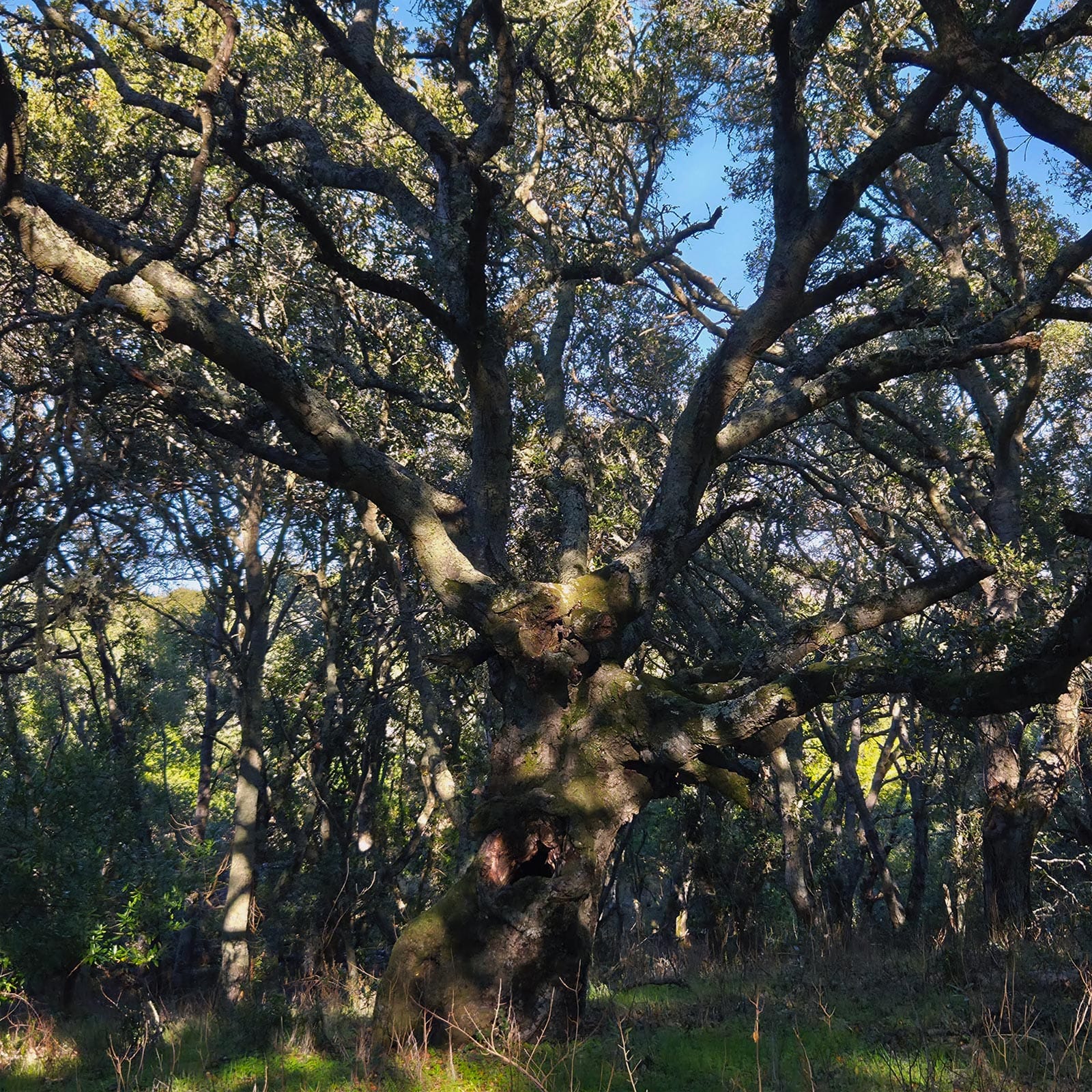
Rob talks about his voice still being there when everything else is stripped away. How identities fall off: athlete, patient, person with a plan. And there's still a stubborn, quiet me refusing to disappear.
I have ongoing esophagus and vocal cord damage. On most days I can talk maybe ten minutes, sometimes twenty, if I'm lucky. Then I'll have to decide to push through the pain increase or be quiet. But there is a mystery in the math...
Sometimes, when I’m speaking from a deep internal truth or truly showing up for someone else, the clock stops. In those moments, it’s a grace. It’s a gift that arrives exactly when the physics of my body say I should be empty.
When Rob talks about his voice persisting, I recognize the resonance. Mine is still here too and it has a price now. It also has moments of unearned strength.
Everything at Once
It happens right at the edge of collapse: too tired to filter, too honest to pretend.
Unless fully sidelined by flare — it's seven days a week, most weeks. Sometimes grinding. Sometimes crawling. No goal or destination. Just the body, the miles and whatever the day allows.
Somewhere in that, the nervous system stops bracing. Something releases that I didn’t know I was holding. And then there’s clarity. Not insight exactly. More like the noise drops out and what’s left is just what’s true.
Sometimes I’d call it bliss. Other times a mash-up of every emotional state, pleasant or not. Grief and gratitude together. Joy next to mourning. Not quite peace or resolution. Everything, unfiltered and simultaneous.
I spent decades curating myself to survive. On the trail, I stop editing. I let grief, joy, anger, gratitude — all of it — exist at once.
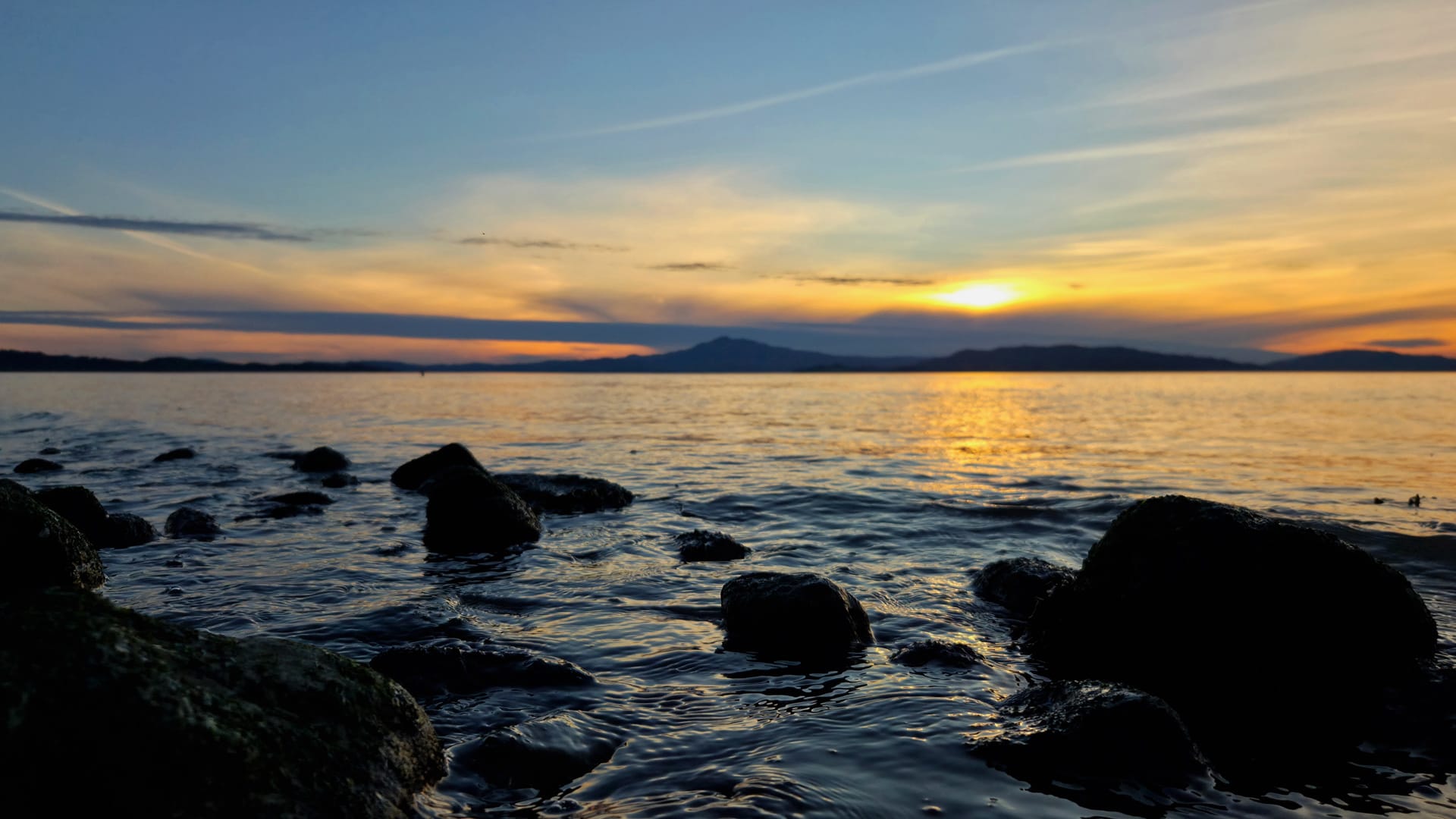
That’s what the edge gives. No transcendence — nothing woo. Just what’s left when you run out of fuel for the performance.
What opens isn’t earned. It arrives because there was nothing left to hold it closed.
In that space is clarity, choice, agency. Not just reaction or survival. Other ways of being emerge. But only visible when I stop performing my way through the day.
That’s the richness and the gift... Many of us stop before the grind gets honest.
The Spark Flickers
Without witness or reciprocal love. In a body that breaks. Under cancer's long shadow, it is still there.
I won’t be able to do it forever, and I’ve literally lost a lifetime. Abuse wasn’t just harm. It was identity theft. I'm out here trying to be the person I should have been underneath all the layers of the past.
It is not heroism or performance. It is a small, unreasonable promise to keep participating in being alive.
I keep going because I’ve seen the opposite. I don’t push for triumph. I push because I’ve learned what it means not to.
On trail, the world narrows: body, breath, pack, ground.
Pain constant.
Every step measured against years of pressure and flare.
Against the knowledge that the next scan or biopsy could change everything.
Yet even there, it flickers.
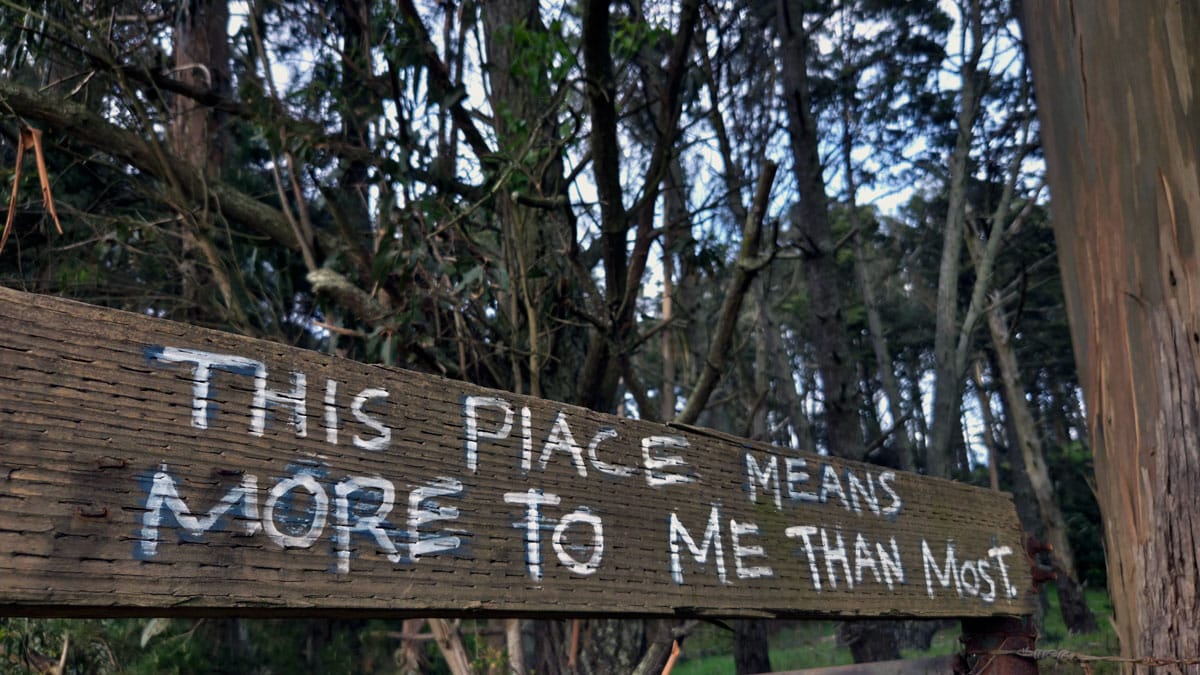
Every morning I wake, mostly smiling now, it's there again. A steady insistence that this life, this body, this moment is enough to show up for.
I recognize that spark in Rob and in his mother. In myself, when I’m sitting at the trailhead, engine off, knowing the cost and stepping out anyway.
For me, Inner Trailcraft is learning to read the micro-language of your own body and still choosing, gently and repeatedly, to stay in the life you have.
→ Watch: The Life We Have
Presented by REI Co-op Studios, produced in partnership with Wondercamp.
← Back to Inner Trailcraft
* peer reflections: not medical or therapy advice. *



Member discussion