
Layer Three: Applied Adaptation
Trail-ready doesn't mean strong. It means honest.

This is where recovery meets terrain
Where the new body, the uncertain body, steps back into motion — not for performance, but for presence. Layer Three isn't about conquering. It's about adapting. It's making peace with the truth that:
- You might hike slower now
- You might stop more often
- You might turn back sometimes
- And still, you are a hiker
What Adaptation Really Means
- Strategic rest before pain escalates
- Knowing how to bail without spiraling
- Carrying gear that protects your limits
- Choosing terrain that builds trust, not panic
- Being seen on trail and not caring who watches you stop
Adaptation is not weakness. It's wisdom born from injury, illness, grief, and grit.
What I Practice Now
- Reading topography and my nervous system
- Tracking fatigue like weather: early and often
- Trail loops with safe outs instead of out-and-backs
- Uphill with intent, downhill with full attention
- Water. Socks. Forgiveness.
You're Not Failing. You're Recalibrating. Most people push until they break. You're learning to listen before the collapse. That's not fragility. That's mastery.
→ Next: Layer Four: Integration & Meaning
← Back: Ground-Up Resilience
Application:
Trail Provisions
What Sustains a Body Like This
 S. Rolling
Mindset:
Adaptive Trailcraft: Hike with Chronic Illness
Field-tested trailcraft for bodies that require a different kind of strategy.
 S. Rolling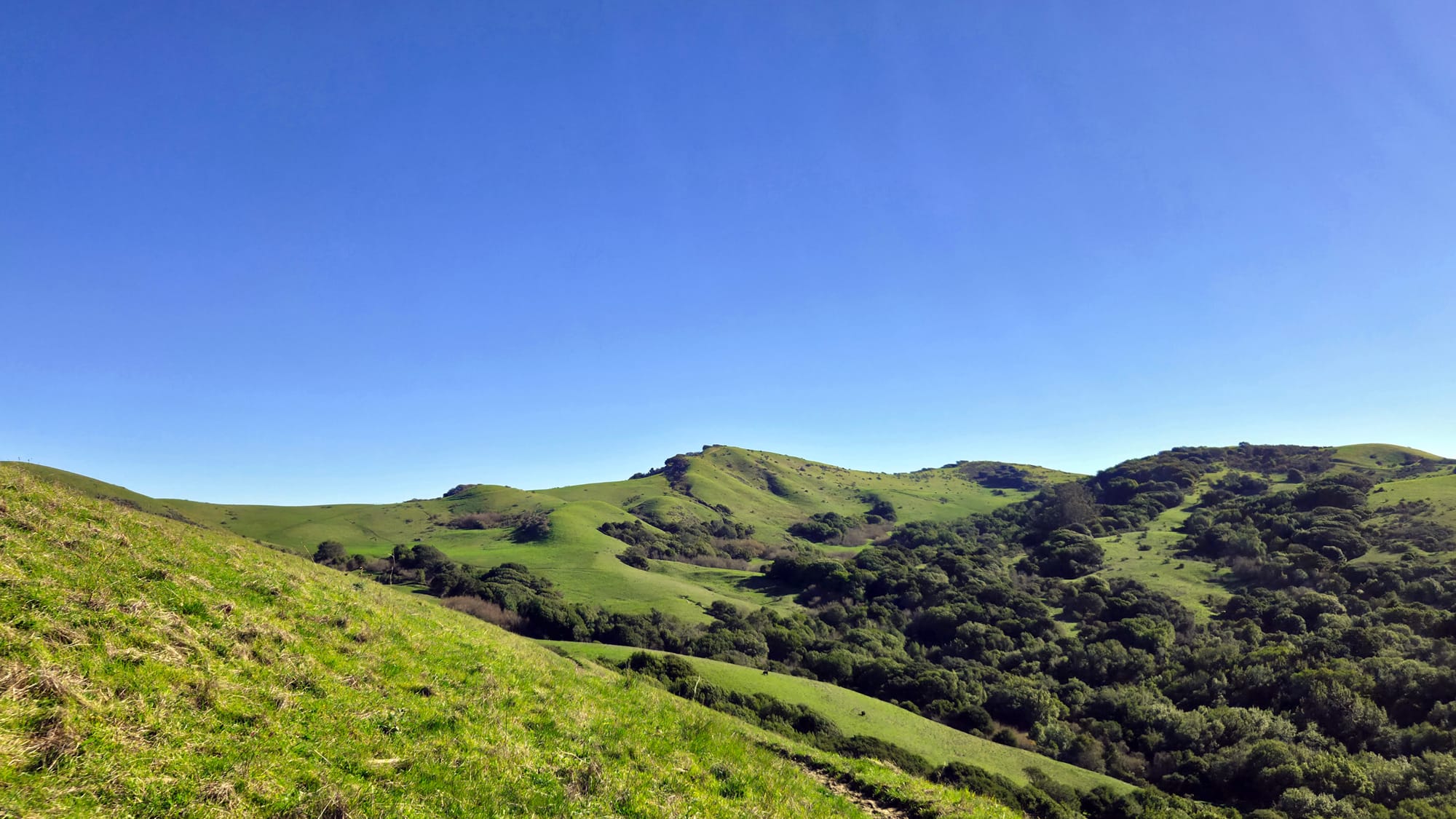
Resources:
Raising the Floor: Tools That Helped Me Function Again
These are the resources that helped raise my baseline - enough to even imagine hiking again.
 S. Rolling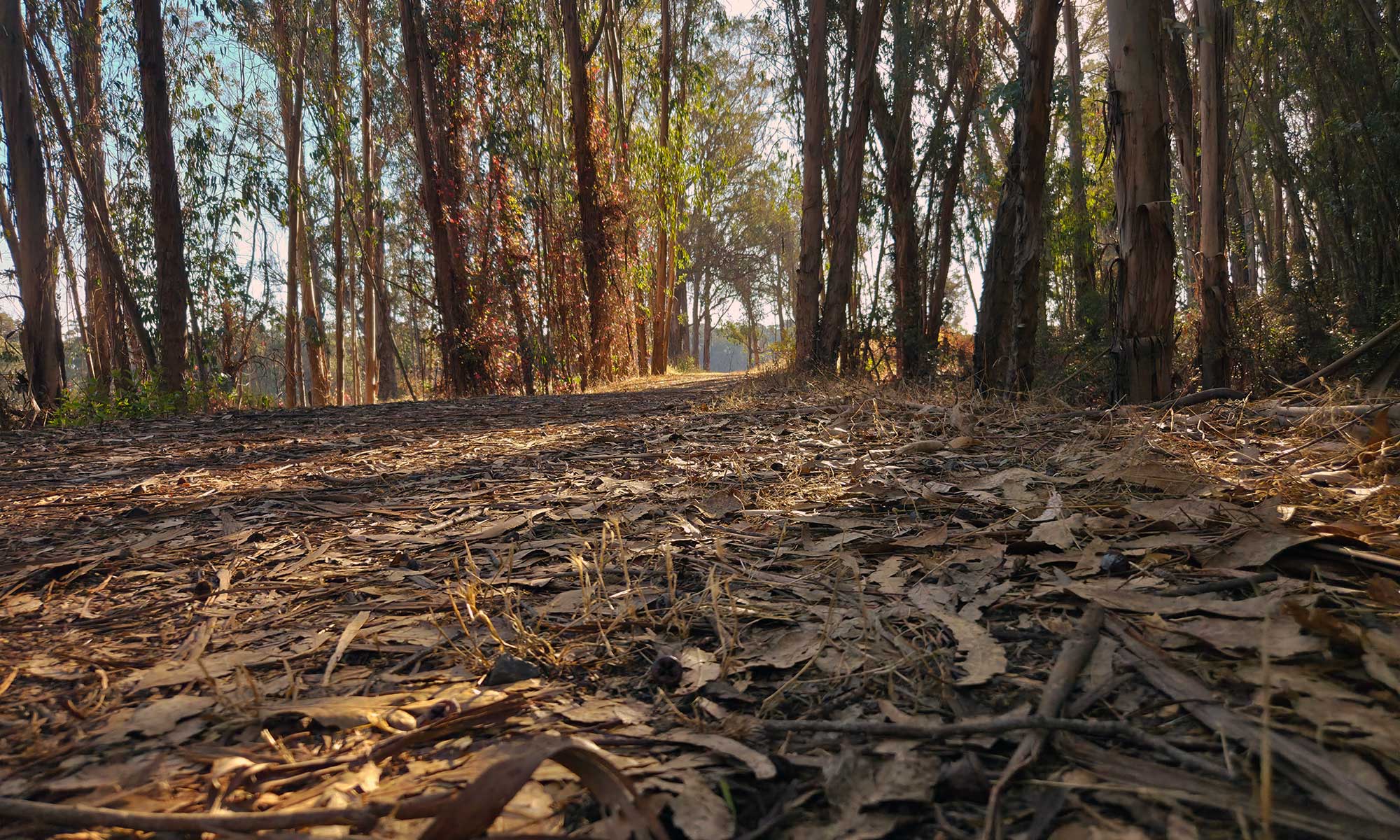
*This reflects personal experience, this not medical or therapy advice. What helped me might not work for you. Talk to your medical team about what's right for your body.*


Member discussion