Here Comes The Rain Again

Memory of a quiet neighborhood after dark, away from the streetlight. Windows fogging, slowly drifting to the hollow pings of rain on the roof.
Seventeen, homeless and trying to finish high school without coming apart. Sleeping in a rusty, beat-up 1963 Volkswagen Karmann Ghia. It leaked when it rained. 1986, no teachers, no explanations, just survival.
When you don't have a home, you don't borrow calm from anyone else's nervous system. Whatever steadiness you have, you've built from nothing, from breath and repetition.
From moments that ask as little of you as possible.
Nine Months
I'd planned to leave at eighteen, already working multiple jobs and lining things up. I thought I had time, but the morning of my seventeenth birthday, that fiction collapsed. I was put out and unprepared in every way that mattered.
For the next nine months, I lived out of my car and worked before and after school. Showered where I could. Cleaned up in school bathrooms after PE. So I finished high school, barely. Not because I was resilient. Stopping would have cost more than continuing.
There was no drama in it. No cinematic hunger. No triumph.
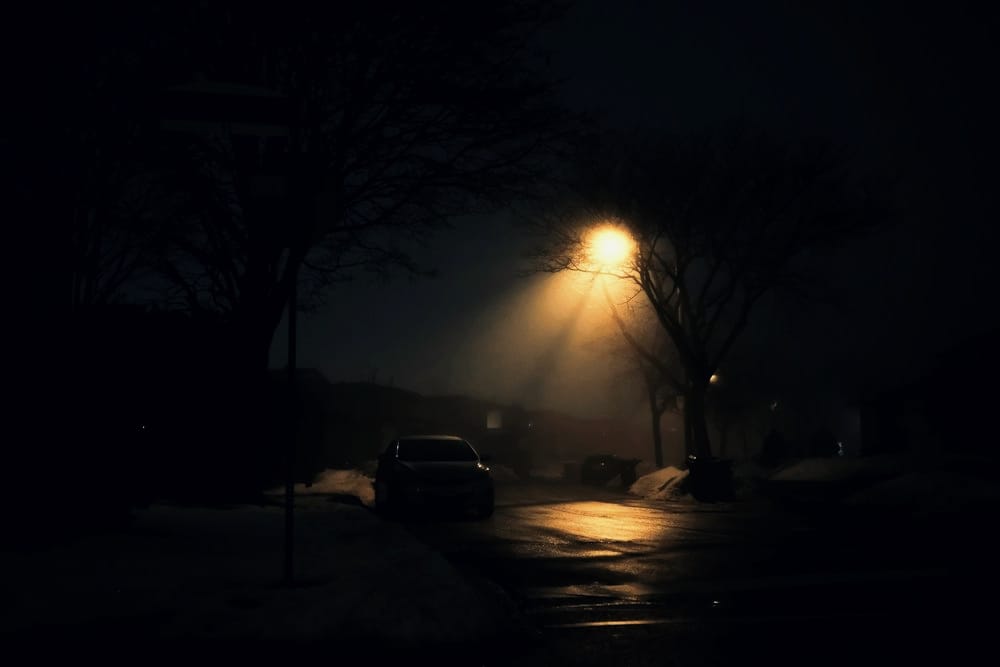
What I didn't have during that time, or at any time previously, was external regulation. No stable adult presence, no place where my nervous system could stand down. Nobody was watching the perimeter.
Just the constant calculation of where to park, how to stay unnoticed, how to stay functional. Survival is the baseline. You don't look for healing. You do whatever keeps the machine running.
So my body did what bodies do. At the time, I didn't think of it as adaptation. It felt like tension and vigilance. A constant readiness that never fully powered down.
Even the most hardened system needs a place to come down from red alert.
For me, that place was the woods.
Finding Ground
Late in month nine, I connected with others who'd been in the same kind of trouble. Six people sharing a tiny two-bedroom house in Martinez. Cramped and noisy, but I was just relieved to get inside and catch my breath for a moment.
Once I felt a tiny sliver of stability, spring arrived, and I started hiking again.
Not casually, obsessively. Washington, Oregon, California.
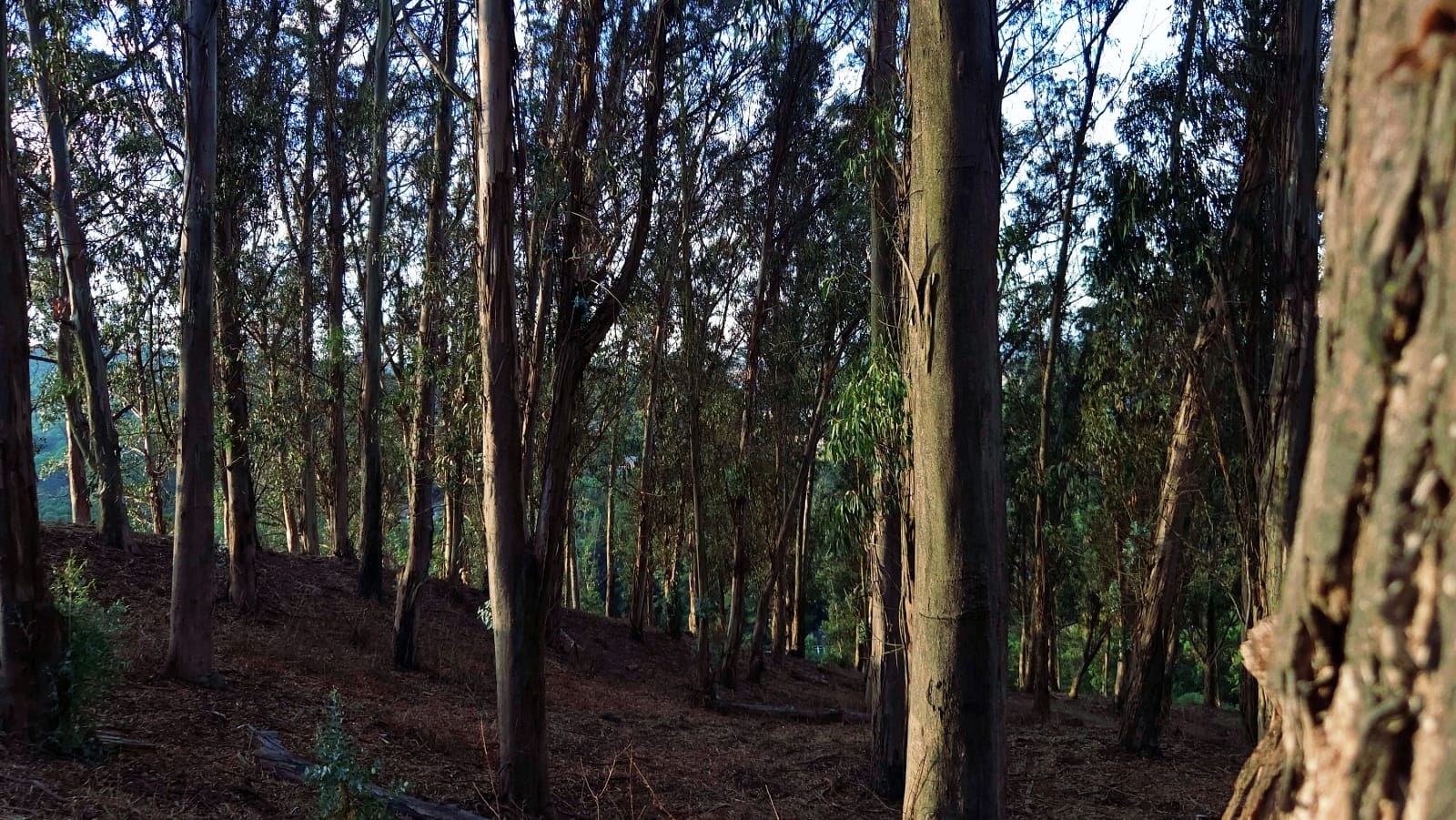
Back then I might have said I was "getting out of my head." What I was actually doing was giving my nervous system something that made sense.
Every chance I got, I was out there, often alone.
The trail didn't require explanations. Clear inputs and feedback: weather, terrain, fatigue, hunger. Attention could open instead of locking down.
Breath could find its rhythm. The woods held no history of abuse or violence that I needed to manage.
I could breathe, think, and feel differently out there.
Pattern Recognition
Most of my practices were born long before anyone called them Samatha, Vipassana, or Pranayama.
It was clumsy, somehow intuitive and was shaped by need rather than philosophy.
But it worked.
I watched how certain people moved, how they breathed in the cold. How they stood still without stiffness. Carrying effort lightly, even when the terrain was demanding.
No one explained anything to me, they didn't have to. My body was paying attention to the patterns.
One woman I met spent long stretches barefoot, even when the weather was rough.
At dawn she'd stand in the wind, breathing sharply, deliberately. Like she was stoking a fire from the inside.
I didn't know what I was seeing then. Years later, I'd recognize elements of Pranayama, Tummo, and others.
At the time, it was just something that worked.
From someone else, older and steadier, I learned stillness. Not collapse or escape, but a kind of resting attention. The mind placed gently, like a hand on water.
Back then, it was simply how he didn't waste energy. I wouldn't learn the name until much later, Samatha.
From another came observation and sensation without commentary. Vipassana, though I didn't know it yet. None of this was formal and they weren't practices I was studying.
Just patterns my nervous system recognized as useful.
Fieldcraft, Not Spirituality
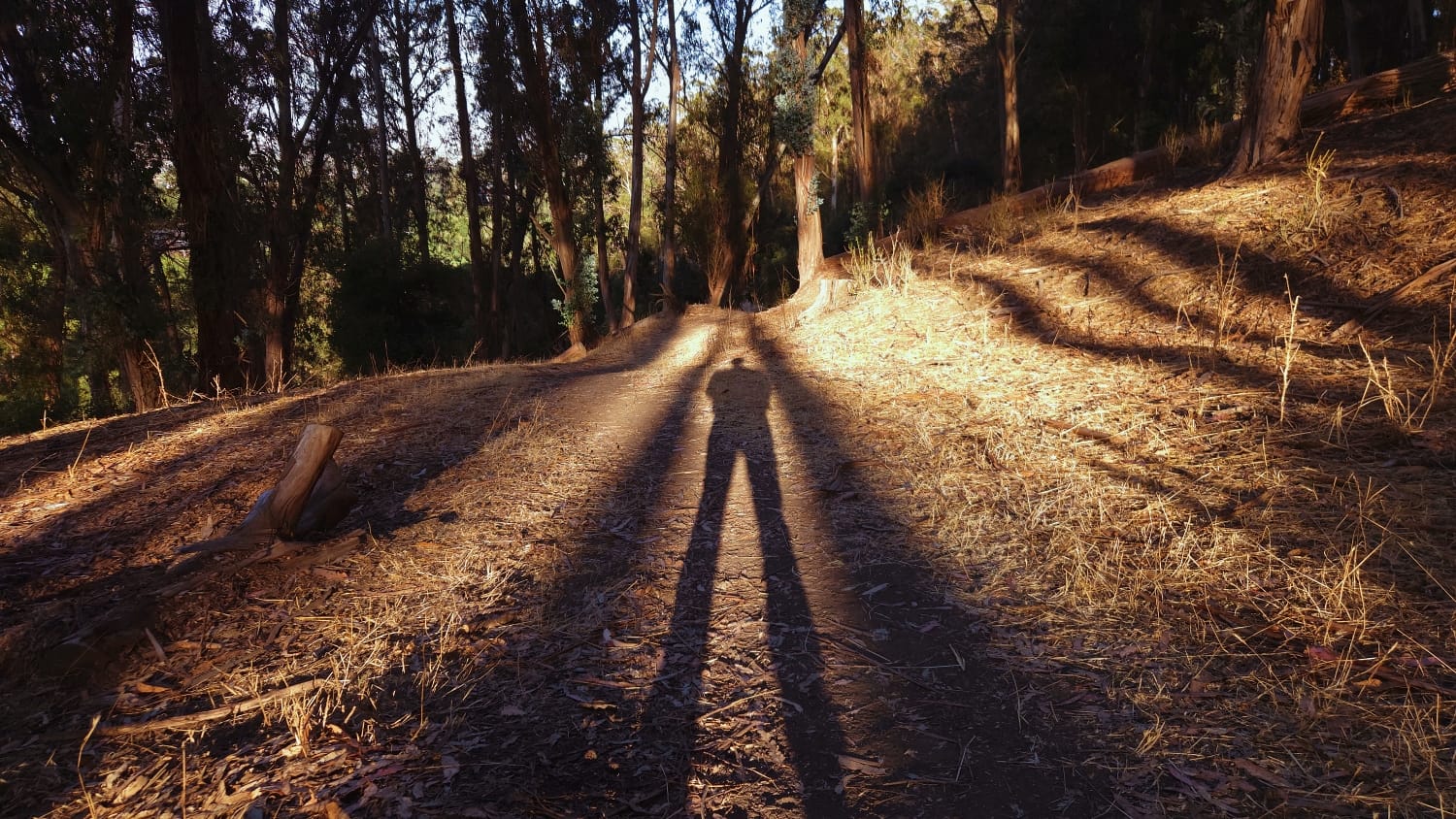
These weren't spiritual practices to me, it was fieldcraft. I wasn't seeking insight, more like tools for functionality.
The trail was an unforgiving but honest teacher. If I pushed too hard, my body told me. If I ignored fatigue, it corrected me. If I fought discomfort, it escalated.
There's no reward for dissociation out there. No benefit to pretending I was fine when I wasn't.
Presence wasn't a virtue. It was required.
Decades On
In an ICU at 4:27 a.m., when my body was failing and medicine had run out of answers, I reached for the same thing.
Not for hope or belief. Breath, observation, presence without expectation. Those tools didn't come from a studio or a teacher or a book. They came from necessity.
When my body learned, quietly and stubbornly, how to stay.
Inheritance Under Pressure
When people hear "practice," they might imagine intention, a choice. A healthy person deciding to improve themselves. Mine emerged because something has to keep you alive, functional, and oriented.
Some practices aren't chosen, but inherited, by a nervous system under pressure.
Sometimes they save you, other times they cost too much, and often they do both.
What I now call inner trailcraft, isn't about learning new techniques.
It's recognizing what your body carries and understanding where they came from.
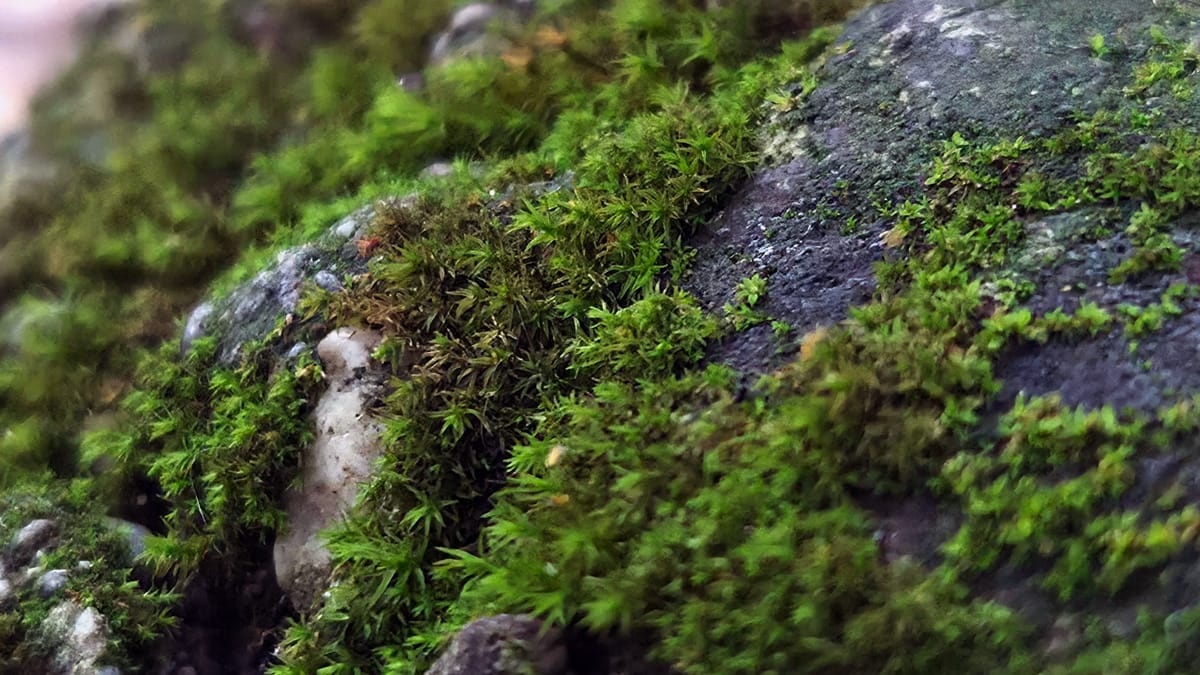
Not heroic memories, just the origins of tools I still reach for when everything narrows.
They appeared in parking lots and the narrow strip of trail between panic and breath. Over forty years later, I'm still using what I learned there.
Not because it's spiritual. Because it's practical.
→ Share this with someone who might recognize a piece of their own trailcraft in it.
Connective Tissue:
→ The Dance of Memory and Mirror
→ Act Zero: Prologue
Outlooks & Vantages:
→ Oh, the Water
→ Blue and Gold
Trail Crossings & Waypoints:
→ Dead Reckoning
→ Taking Kind Care
← Back to Inner Trailcraft
* peer reflections: not medical or therapy advice. *





Member discussion