Hiking with POTS
When Standing Becomes the Test
The first sign isn't dizziness. It's when standing starts to feel expensive.
A slight weakness in the legs, a faint hollow feeling when I stand. Nothing alarming, but enough that I notice the ground a little more than I did a moment ago.
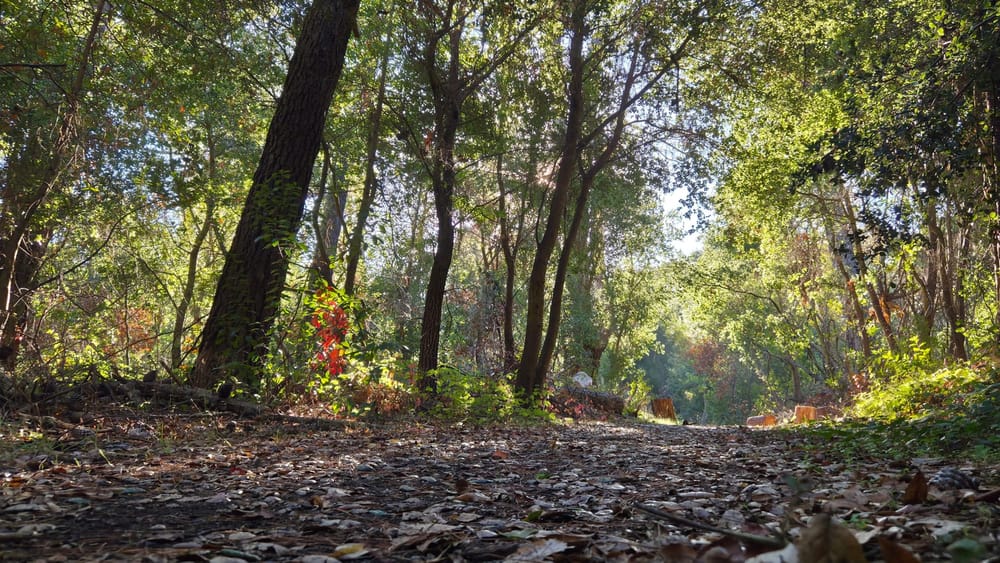
This hike was short and familiar: cool air, easy terrain. Nothing that should have demanded much. I'd already been moving long enough to know my baseline was holding.
Then I stood after a brief pause and felt the shift. Not dizziness or collapse, just less margin than before.
I sat back down.
Adapting in Real Time
I stayed seated and took the weight off my legs. Let circulation settle instead of forcing it to fight. Hydrated slowly and deliberately not to fix anything. Just to support what was already trying to stabilize.
I waited and not a moment, not a just a few breaths. Long enough for standing to become information instead of a gamble. When I stood again, the weakness didn't rush back. Heart rate rose, then settled. I didn't feel strong, I felt stable, and that was enough.
I moved on, conservatively and no urgency, no trying to "make up" time. I finished the loop without another stop.
If I'd ignored that first narrowing and stayed upright to see whether it passed...
I'd have been sitting on the trail for an hour or more. Waiting for my body to allow me to stand again . And then still facing the walk out in rough shape.
That early stop protected everything that came after.
Not a How-To
Bodies differ. Conditions differ. What helps me may not help you.
What is transferable is the mindset: notice the signal, identify what worsens it, respond before the body forces you to stop.
Shit still happens — sometimes the body doesn't follow your lead.
For me, that took years to develop. A dysregulated nervous system shaped by chronic illness and early childhood trauma creates so much noise in the body and mind that basic clarity, capacity awareness, and presence get buried alive.
Learning to read my body wasn't intuitive.
It was rehabilitation.
What Protected
I didn't push through or wait for proof. I protected my ability to stand, function, and recover later.
With POTS, success isn't distance or gain — it's continuity. Staying in relationship with movement without triggering a collapse.
Stay responsive. Protect your capacity. The trail will still be there.
→ Share this with someone finding their way back outside.
More on the way → Subscribe free for new posts delivered by email
Trail Crossings & Waypoints:
 S. Rolling
 S. Rolling
 S. Rolling
 S. Rolling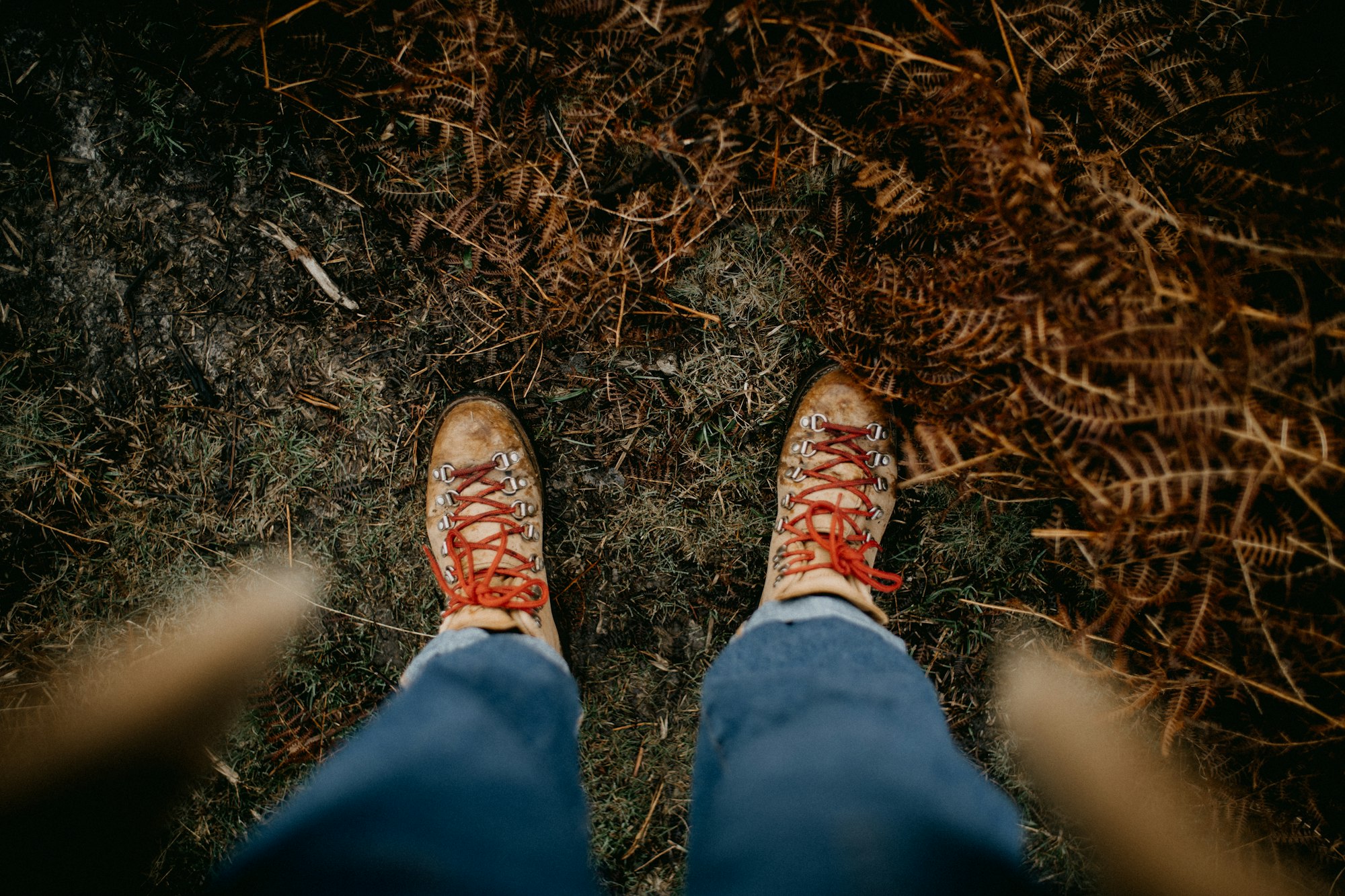
If this earned a place in your kit, there's a → Tip Jar
← Back: Adaptive Trailcraft
safety note: this is my individual, personal experience - not - medical or therapy advice. If something spikes pain or panic, stop. Stabilization beats bravado. Work with a practitioner who respects your pace.



Member discussion