Adaptive Trailcraft: Re-Entry After Flare
It Isn't Just a Nuisance
It's a signal: rising intracranial pressure, something that can affect vision, balance, and judgment in moments. Ignoring it isn't an option. Responding early is the only way to keep moving safely. I've learned this the hard way.
Yesterday's hike had started quietly. A short, mostly flat loop, enough to check that my legs, joints, and nervous system were responding after a multi-day flare. No warning signs, no spikes. Everything felt ordinary, almost deceptively so.
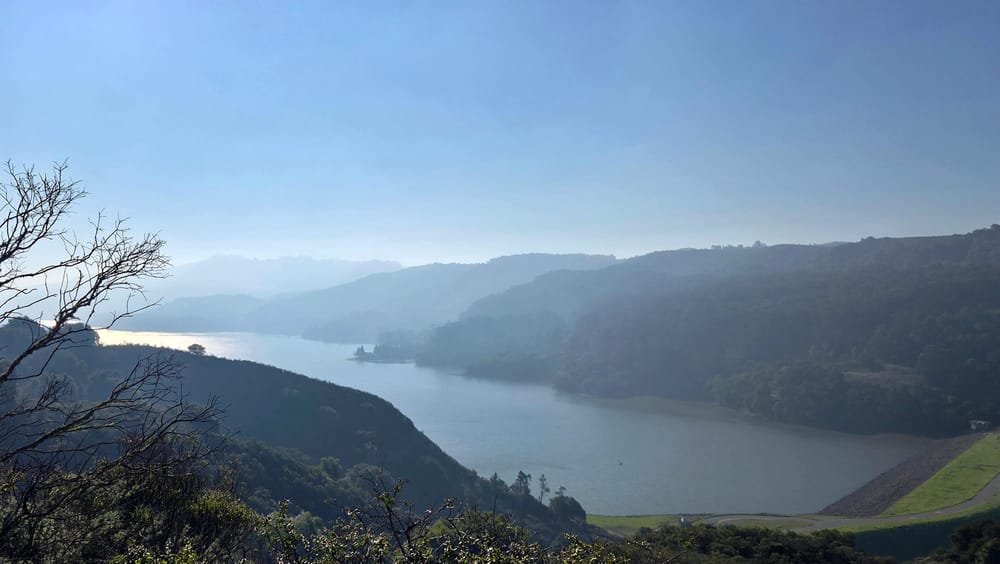
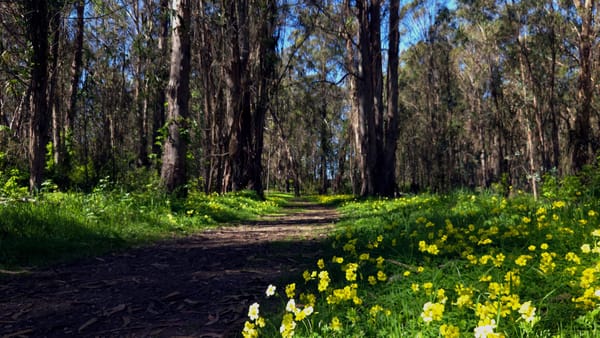
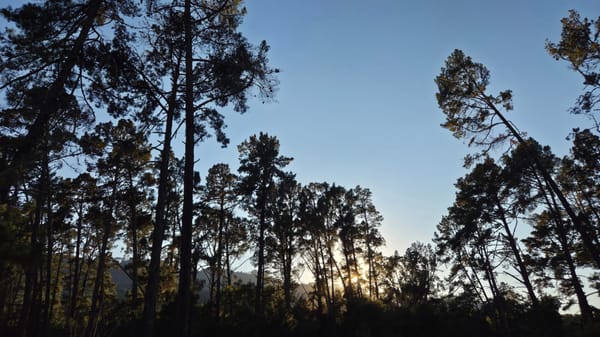
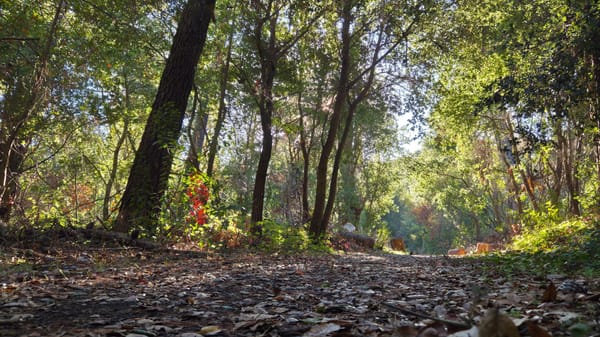
This morning, I chose a 2.8-mile loop with concentrated elevation: from near sea level to 1100 feet in less than a third of a mile. Sunlight slanted through the trees, shadows breaking over damp leaves and scattered gravel. My pace was cautious. Heart rate steady. Breathing measured.
The first climbs were manageable. I felt capable. Then, the familiar spike arrived: pounding pressure behind the eyes, sharper with every step. Each heel strike drove the warning home. A familiar scenario, but one that demands attention.
Adapting in Real Time
Years of recognizing this scenario trained me to respond before the pressure escalated. Short steps, mid-foot landing, softer surfaces—adjustments that felt automatic now, but were learned the hard way. I favored dirt, moss, and leaves over packed gravel, softening impact without losing traction. Every step became a negotiation between caution and forward motion, being mindful of traction limits and pacing to match conditions.
The goal wasn't distance or accomplishment. It was preserving capacity, staying upright, and avoiding consequences that could cost hours or days of recovery. Even subtle cues mattered: the wind moving through the canopy, the crunch of gravel underfoot, patches of soft pine needles. All became micro-guides for pace and pressure management. The trail offered feedback, and I listened.
This Is Not a How-To
Bodies differ. Conditions differ. What helps me may not help you.
What is transferable is the mindset:
Notice the signal.
Identify what worsens it.
Respond before the body forces you to stop.
Shit still happens - sometimes the body doesn't follow your lead.
For me, that took years to develop. A dysregulated nervous system shaped by chronic illness and early childhood trauma creates so much noise in the body and mind that basic clarity, capacity awareness, and presence get buried alive. Learning to read my body's signals wasn't natural. It was rehabilitation.
Hiking as Functional Therapy
Hiking isn't just for regulation and recreation for me. For people managing dysautonomia, chronic illness, or multi-system conditions, it can be physical therapy in motion.
For me, it plays a functional role. Short climbs and mindful pacing train my body to tolerate standing, walking, and prolonged upright activity during the workday. Every adjustment on the trail: pace, posture, micro-rests. That translates into functional endurance in my daily life.
The trail becomes a controlled environment to rebuild capacity without risking flare escalation. That matters when your job requires long periods on your feet, and your nervous system doesn't reliably support upright posture.
After a Multi-Day Flare
Coming back after a flare isn't linear. A good day can still carry hidden limits. Elevation, impact, and repetition stack quickly.
The mistake isn't going out. The mistake is assuming yesterday's success guarantees today's. Some days the trail reminds you where the edges are.
What Protected
I didn't finish the route the way I originally imagined. I adjusted. I stayed aware. I protected my ability to work later, to stand later, to recover later.
Movement after a flare isn't about distance or gain. It's about preserving continuity and staying in relationship with motion without triggering collapse.
Stay responsive. Protect your capacity. The trail will still be there.
Safety Note
This is my individual, personal experience, not medical or therapy advice. If something spikes pain or panic, stop. Stabilization beats bravado. Work with a practitioner who respects your pace.
← Back to Adaptive Trailcraft


Member discussion