Adaptive Trailcraft: Post-Flare Skin Debt
When Rebuild Meets Reality
The hike felt easy.
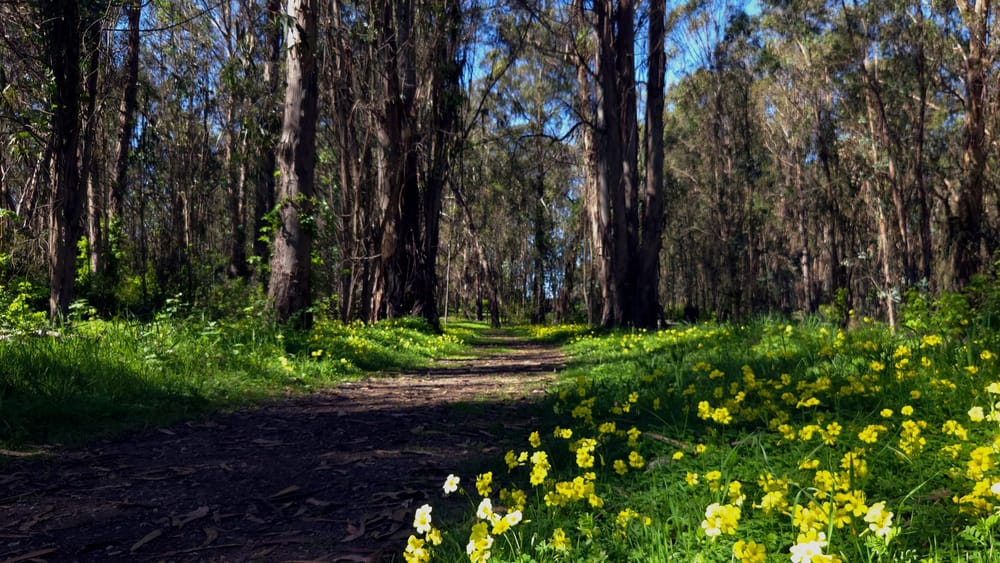
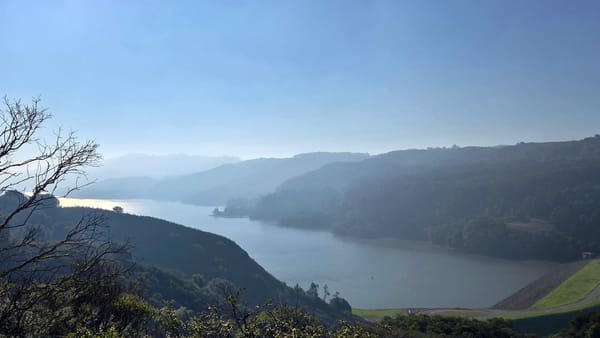
Cool air. Filtered light through the trees. A familiar trail that usually asks very little.
For two weeks I had been rebuilding slowly after a prolonged 1.5-month flare. Every-other-day walks. Distance increasing just a little each time. Muscles beginning to remember what steady movement feels like.
Yesterday morning check-in looked good.
Joints were quiet. Ankles flexed cleanly.
My standing pulse was steady.
The forecast helped too. Cool temperatures and a mostly shaded trail. Conditions that usually make Lupus easier to manage.
At the trailhead my stride felt even. Breathing steady. No knee warmth. No hip grind.
For the first time in a while, it felt like the rebuild was working.
The hike itself went smoothly.
The body had a different opinion a few hours later.
Trail Signal
About three hours after the hike, the shift appeared.
Joints stiffened quickly. That low internal organ-hum that sometimes precedes a flare turned into a dull ache.
When I stood, my pulse jumped higher than expected. Balance wavered briefly, and that familiar POTS weakness settled into my legs. The feeling that standing suddenly costs more than it should.
Nothing dramatic, but enough to recognize the pattern.
The hike itself hadn’t felt difficult.
The signal arrived later.
Skin Runs on a Slower Clock
After a Lupus flare, different parts of the body recover at different speeds.
Muscle and circulation often begin returning within a couple of weeks. Standing tolerance improves. Walking starts to feel possible again.
Skin recovery takes longer. Keratinocytes carry flare memory. Interferon signaling stays primed.
Even mostly shaded trails allow ultraviolet exposure through leaves, clouds, and reflection from surrounding surfaces. During the weeks after a flare, that accumulated exposure can be harder for the body to process.
I’ve worked around that for years by shifting part of my rebuild hiking to evening light, splitting exposure between morning and later hours so strong midday UV doesn’t stack too quickly.
Even with that strategy, along with protective clothing — sometimes the body still refuses to cooperate.
Looking back, the trail itself probably wasn’t the problem.
It was the stacking of small stressors: sun exposure, orthostatic load, and a system still recalibrating after a flare.
None of those alone would have stopped the hike. Together, they crossed a threshold my body wasn’t ready for.
The morning check-in didn’t catch that.
Adapting the Next Time
Experiences like this change how I approach the next hike.
Not dramatically.
Just small adjustments.
More patience with the rebuild timeline.
More attention to skin protection.
A little more skepticism when early progress starts to feel easy.
Stacking adjustments, not overhaul:
- More electrolytes - pre/during/post
- UPF long-sleeve + gloves + neck gaiter + 50SPF face, even shaded
- Protein: 30g high-quality 60 min. pre/post
- Collagen + vitamin C
- Elevation + cooling pads wrists/neck.
None of that eliminates setbacks, but it helps keep them smaller.
This Is Not a How-To
Bodies differ. Conditions differ. What helps me may not help you.
What is transferable is the mindset:
Notice the signal.
Identify what worsens it.
Respond before the body forces you to stop.
Shit still happens - sometimes the body doesn't follow your lead.
For me, this took years to develop. A dysregulated system shaped by chronic illness and early life stress creates noise in the body and mind. Learning to read signals wasn't natural. It was rehabilitation.
What Protected
The setback was frustrating, but it didn’t erase the rebuild.
When symptoms appeared, I rested instead of trying to push through the fatigue. The next day my capacity was still there. Just narrower.
With autoimmune illness and POTS, success rarely means perfect consistency.
Stay responsive. Protect your capacity. The trail will still be there.
Field Note
After a flare, muscle recovery can outpace skin recovery.
Progress → Plateau → Setback → Recalibrate.
Safety Note
This is my individual, personal experience, not medical advice. Bodies and conditions differ. If symptoms spike pain, dizziness, or instability, stop and stabilize. Work with practitioners who respect your pace and your signals.
← Back to Adaptive Trailcraft


Member discussion